Almost there!
Loading website!
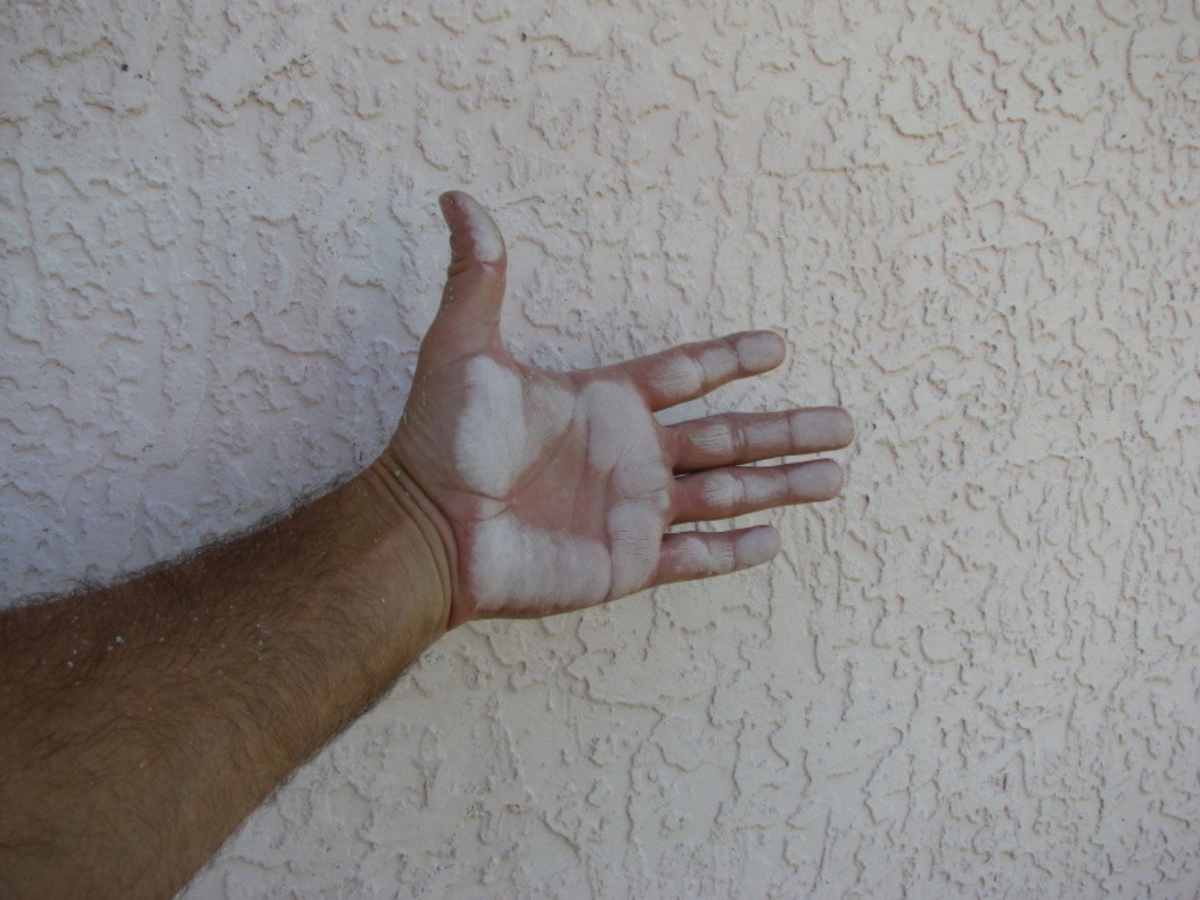
My paint is chalking! What must I do?
Answer: As the coating ages, colours seem to fade, as the surface of the coating starts to chalk. Chalking paint areas are relatively easy to see because hidden areas such as eaves will not usually show a chalking surface. Before repainting a chalking surface, the following surface preparation must be done: Sand down glossy surfaces to a matt finish. Remove flaking paint. (re-plaster if necessary). Make sure surface is clean and dry. Touch up holes and cracks with Pera Flex Fill (MXRP-2) or poly filler. NB: Poly filler spots must be sealed with Pera Sealer (MB-30) before another topcoat is applied. Apply 1 coat of Pera Sealer over the total area. Repaint with Peralin Paints superior top coat PVA paints (Grade 1 or 2).

My colours are fading! What must I do?
Answer: Some colourant’s used to make a specific colour are not lightfast when used exterior. They will change in colour, from e.g. bright red to white, when exposed to intense sunlight and UV. This is called colour fading. If you wish to repaint a faded wall, please ensure to use only high quality, non-fading paints such as Peralin Paints superior top coat PVA paints (Grade 1, 2 or 3). Our paints are especially manufactured to meet and withstand Namibia’s harsh sunny and dry weather conditions. This guarantees a long-lasting top quality paint that is weather resistant, non-fading and easy to maintain.
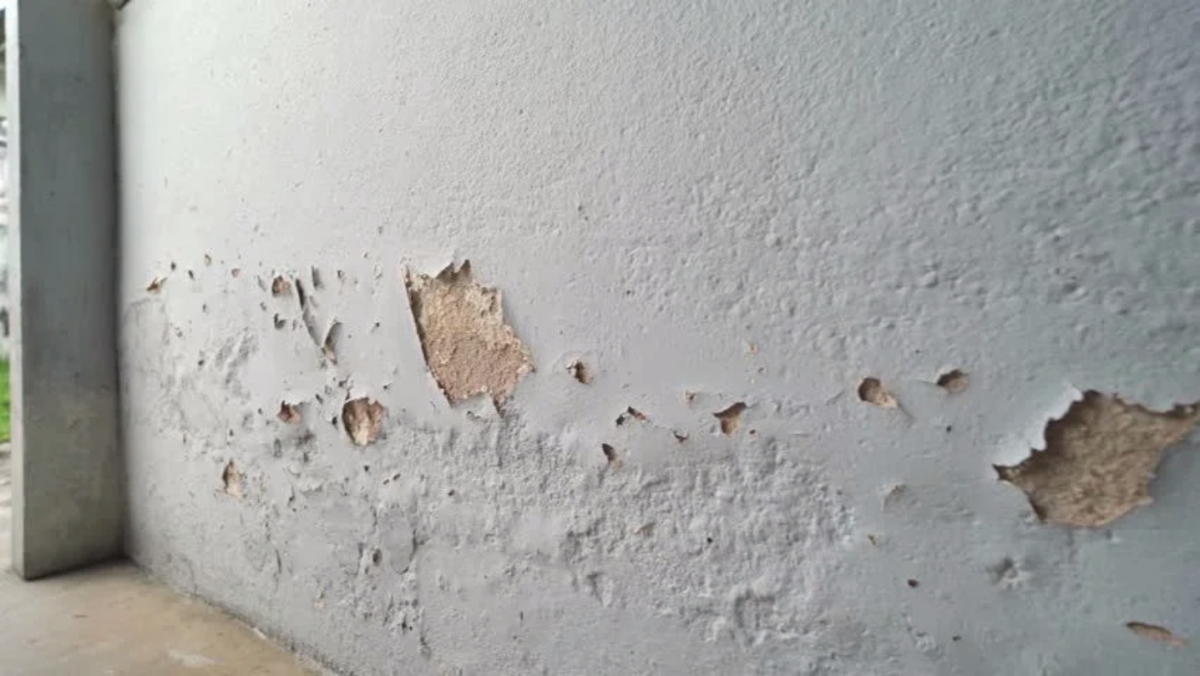
My paint is peeling at foundation! How can I repair this?
Answer: The cause of peeling paint at the foundation is often moisture in the wall. This can occur when water is sprinkled against walls or where flowerbeds are right next to the wall. Seal/protect underground foundation at flowerbeds. (e.g. correct sprinkler system, repair leaking pipes) Remove all peeling/flaking paint from foundation wall. Ensure plaster is not crumbling. Touch-up bare plaster with Peralin Paints Plaster Primer. Repaint with Peralin Paints superior top coat PVA paints (Grade 1, 2 or 3) for the best results.
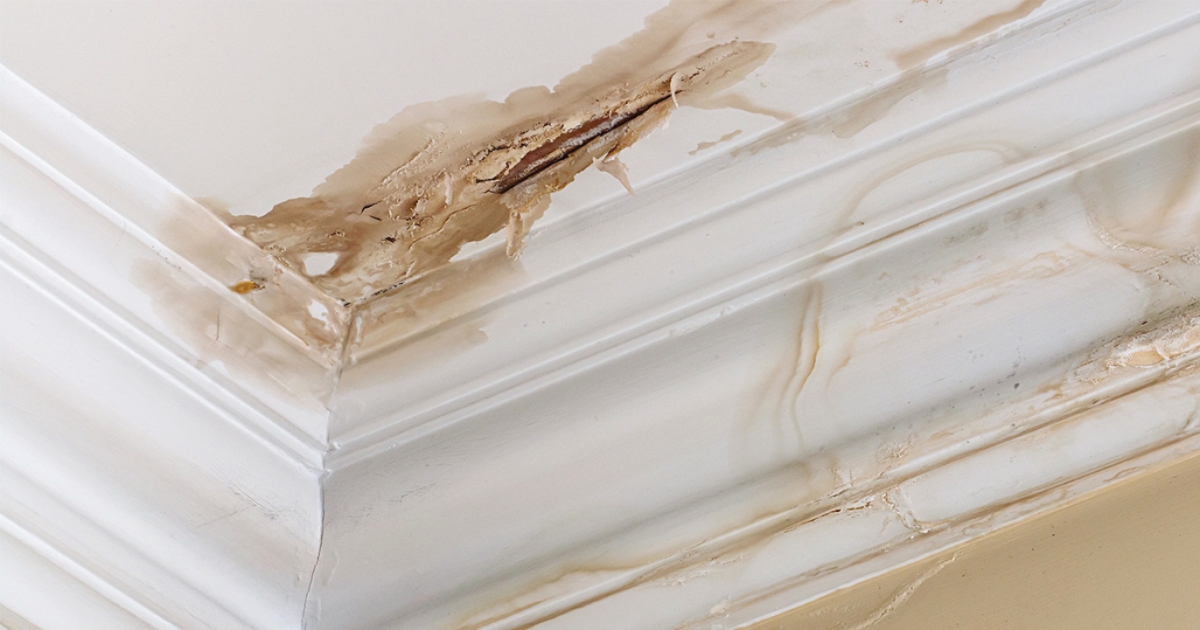
My roof is leaking! What can I do?
Answer: If there is a roof leak, watermarks will often appear on the interior ceiling. First locate the damaged/leaking area on the roof. Clean on and around the damaged/leaking area. Remove all old chalking/cracking elastic waterproofing and paint. Apply Peralin Paints Repair Compound on the cleaned surface areas as per Peralin Paints specification. After this preparation, we recommend you to overcoat with Pera Cool Roof, for a long lasting durability.
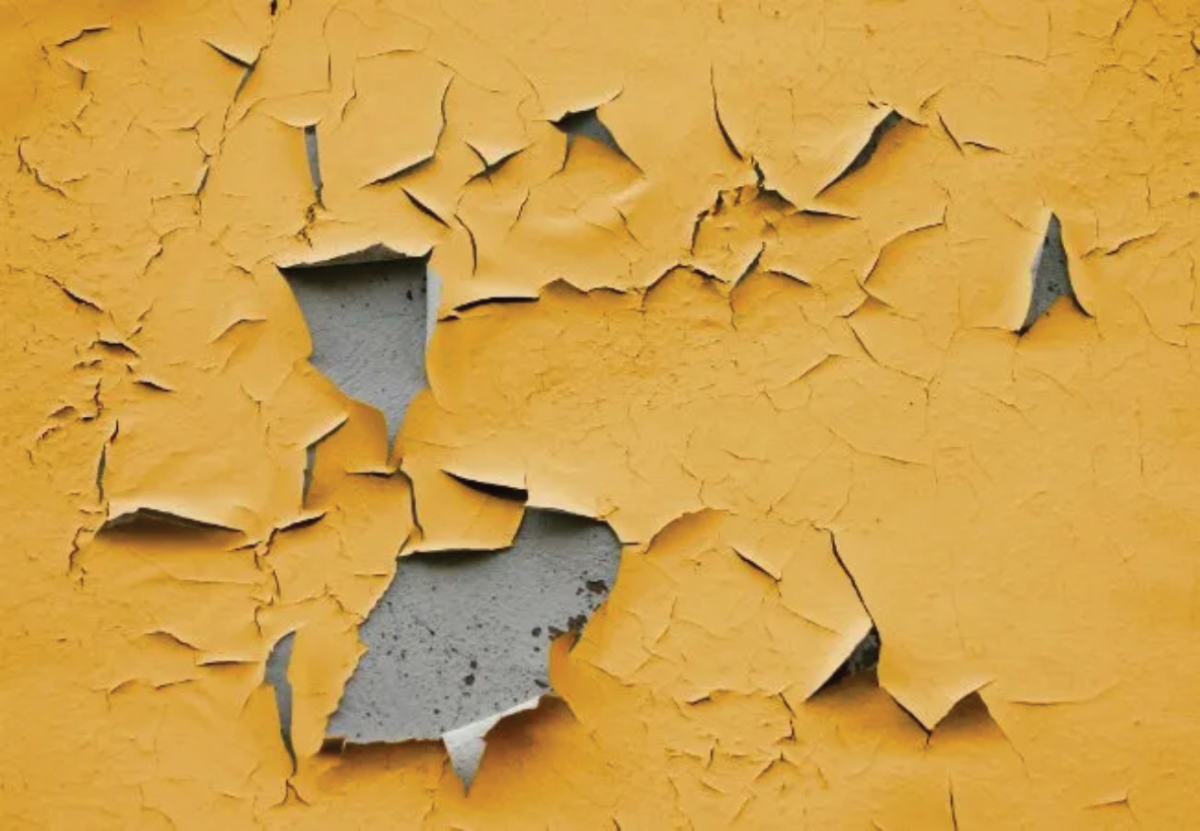
My new paint coating is peeling from a newly coated wall. What should I do?
Answer: A paint coating can start to peel after a few days or weeks after application. Peeling or blistering paint can occur when there is a loss of adhesion between the paint and the prime-coat it is applied on. One of the major factors for this is poor surface preparation by applying an inferior prime coat. To avoid this issue, use only Peralin Paints Plaster Primer (as prime coat) as well as Peralin Paints superior top coat PVA paints (Grade 1, 2 or 3). Also make sure that the surface is properly cleaned and that you adhere to the correct application methods as described on the buckets. For more info about proper paint application please don’t hesitate to contact our Peralin Paints team for professional advice.
My paint is chalking! What must I do?
Answer: As the coating ages, colours seem to fade, as the surface of the coating starts to chalk. Chalking paint areas are relatively easy to see because hidden areas such as eaves ...
My colours are fading! What must I do?
Answer: Some colourant’s used to make a specific colour are not lightfast when used exterior. They will change in colour, from e.g. bright red to white, when exposed to intense sunlight ...
My paint is peeling at foundation! How can I repair this?
Answer: The cause of peeling paint at the foundation is often moisture in the wall. This can occur when water is sprinkled against walls or where flowerbeds are right nex...
My roof is leaking! What can I do?
Answer: If there is a roof leak, watermarks will often appear on the interior ceiling. First locate the damaged/leaking area on the roof. Clean on and around the damaged/l...
My new paint coating is peeling from a newly coated wall. What should I do?
Answer: A paint coating can start to peel after a few days or weeks after application. Peeling or blistering paint can occur when there is a loss of adhesion between the paint an...